除草剂对作物的影响试验
这篇文章会给农资人分享一下“除草剂对作物的影响试验”的内容进行解释,期待对各位农友们有几许帮助,快快收藏起来吧!

有,打花生苗使用除草剂的喷雾器后,如果仅仅用清水进行简单的冲洗,可能无法完全清除残留的除草剂。如果直接用这个喷雾器来喷洒打玉米,则可能会导致药害问题。除草剂中的化学物质可能会对作物产生不良影响,使其受到伤害甚至死亡。
为避免药害问题,建议在使用喷雾器前彻底清洗除草剂的残留物。可以使用适当的清洗剂或充分冲洗多次,确保喷雾器完全清洁。另外,在喷洒作物之前请阅读并遵循除草剂的使用说明,确保正确使用该产品,避免对作物造成伤害。
2、禾耐斯除草剂如果喷在作物叶面上有什么影响?禾耐斯是一种除草剂,主要用于防除狗尾草、莎草、马唐、稗草、看麦娘、蓼、藜、十字花科、豆科杂草等一年生禾本科杂草和阔叶杂草。尽管禾耐斯被广泛用于农业和园艺领域,但使用不当会对作物和环境产生负面影响。
当禾耐斯除草剂喷到作物叶面上时,可能会对植物产生以下影响:
药害:禾耐斯除草剂可能会对某些植物产生药害,导致叶片出现斑点、褪绿、变黄等症状。这可能会影响植物的光合作用和正常生长。
生长抑制:禾耐斯除草剂可能会对某些植物的生长产生抑制作用,导致植物生长缓慢、矮小、叶片畸形等。这可能会影响植物的产量和品质。
抗性增加:长期使用禾耐斯除草剂可能会导致某些杂草对其产生抗性,使得除草剂的效果降低。
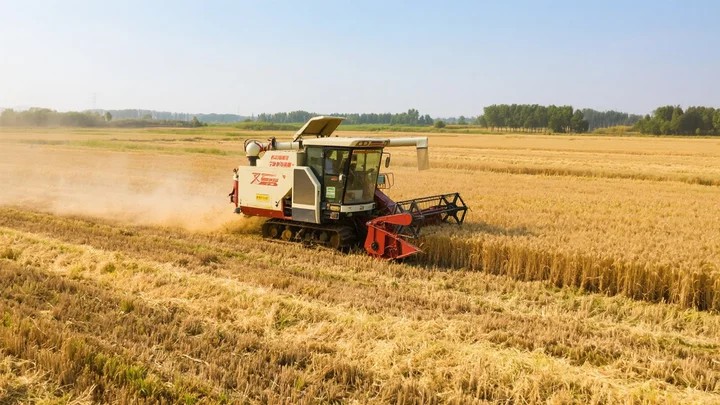
其他影响:除草剂喷到作物叶面上还可能会对植物的其他部位产生影响,例如对根系、茎叶等部位造成伤害。药剂喷洒过量或不均匀也可能对作物产生负面影响。
在使用禾耐斯除草剂时,需要遵循正确的使用方法和注意事项,以避免对作物和环境产生负面影响。如果不慎将除草剂喷到作物叶面上,应及时采取措施,如清洗叶面、减少浇水量等,以减轻药害。
3、被小麦除草剂打死的大蒜能检测出药物残留吗?明确:被小麦除草剂打死的大蒜不能检测出药物残留。
解释原因:小麦除草剂中的主要成分是草甘膦,对于大蒜等非靶生物并没有直接的毒害作用,因此药物并不会存在于**的大蒜中,也就无法检测出药物残留。
内容延伸:目前常用的残留检测方法有高效液相色谱法、气相色谱法、质谱法等,这些方法均需要有待检测物质在样品中存在。同时,在进行药物残留检测时需要按照一定的规范和流程进行采样、前处理、分析等环节,以确保检测结果的准确性和可靠性。
具体步骤:如果想检测大蒜等植物中的草甘膦残留,首先需要进行样品采集和前处理。通常情况下,样品需要进行加热、萃取等处理,使草甘膦从样品中充分溶解或析出,以便于后续的检测。然后,利用相关的色谱或质谱技术进行分析,并根据检测结果判断样品中是否存在草甘膦残留。
4、除草剂解除药害用云苔素喷雾,杂草会不会活过来?不会活,芸苔素主要作用使阔叶植被变绿,青草不是阔叶植被所以小单不合洗。除草剂对杂草的作用,是灭生性的,因为相关成分以及用量,是经过大量数据研究所证实的,某一类杂草对这个除草剂成分确实很敏感,用到一定的量,就会达到最好效果,喷上以后杂草必灭。
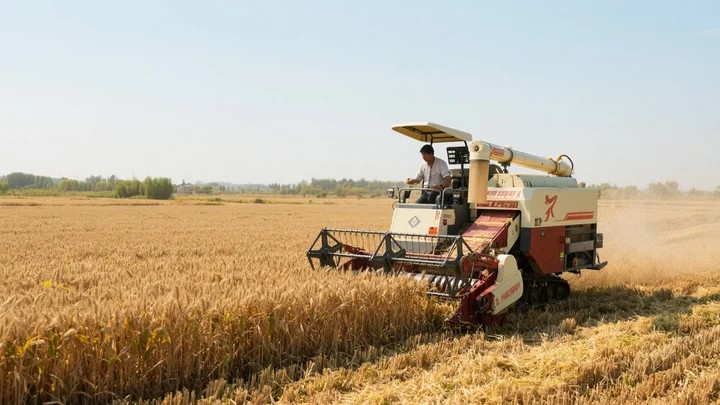
玉米苗前除草剂可能会对大蒜产生影响。大蒜和玉米都属于禾本科作物,但是它们的生长和特点不同,因此在使用除草剂时需要注意。
一些玉米苗前除草剂可能包含对草本植物和蒲公英等杂草有害的化学物质。这些化学物质可能会通过土壤或空气传播到大蒜上,导致大蒜受到伤害,生长受到影响,甚至死亡。
如果需要在玉米田中使用除草剂,最好避免近距离喷洒大蒜附近。在使用除草剂之前,应仔细阅读产品说明书,了解其成分和使用方法,并在专业人员的指导下使用。如果担心对大蒜产生影响,最好选择手工除草。
拓展好文:两种除草剂的土壤生态效应及其对后茬作物生长的影响
Abstract:A pot experiment was conduct** to study effects of two kinds of herbicides, varying in dosage, on bio-characteristics of paddy soil and nutrients absorption and accumulation of succe**ing crops. Results show that the application of either bensulfuron-methyl?butachlor or quinclorac in paddy soil decreas** the dry matter weight of Chinese milk vetch, and the higher the application rate, the less the dry matter accumulat**. Low doses of bensulfuron-methyl?butachlor significantly decreas** N accumulation in Chinese milk vetch, while low doses of quinclorac decreas** not only N, also K accumulation in the plant. And high doses of either of the two herbicides decreas** N, P and K accumulation in the plant. The application of either bensulfuron-methyl?butachlor or quinclorac, regardless of dosage, decreas** the availability of soil N and K. Low doses of quinclorac did not affect much available P content in the soil, while high doses of the herbicide did significantly decrease the availability of soil P. Low doses of bensulfuron-methyl?butachlor did not have much influence on the activities of catalase, sucrase and urease in the soil, while low doses of quinclorac inhibit** mark**ly the activities of catalase. High doses of either of the herbicides did not affect much the activity of sucrase, but did inhibit those of catalase and urease. Furthermore, the application of bensulfuron-methyl?butachlor, either high or low in dosage, increas** the amount of bacteria, and while that of quinclorac act** just reversely. The application of either of the herbicides at either high or low rate, decreas** the amount of actinomyce, but did not cause much change in that. It is, therefore, quite clear that, the application of quinclorac in paddy field is more harmful to the paddy soil environment and the growth of Chinese milk vetch than bensulfuron-methyl?butachlor.


热门作者: 农业播报侠 种子小百科 农产新干线 农情领航灯 绿色农业防治通 种植乐趣圈