关于阿维菌素的剂型包装
这篇汇总会给农资人阐述“关于阿维菌素的剂型包装”的内容进行概括性阐述,希望对广大农资人稍微有点帮助,下面一起来看看吧!
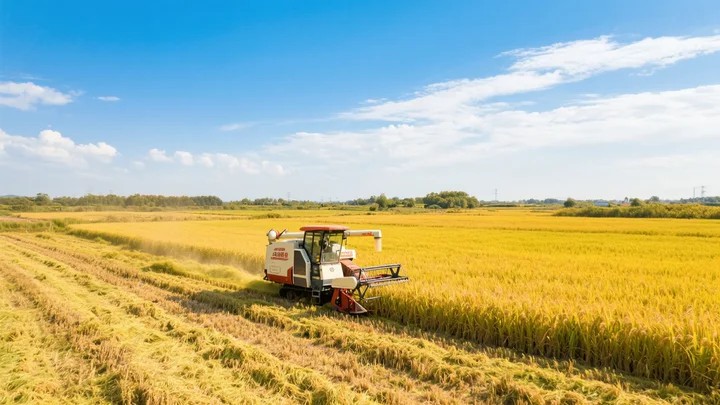
用来防治小菜蛾、菜青虫、潜叶蛾、潜叶蝇、金纹细蛾、叶螨、瘿螨、茶黄螨以及各类蚜虫。如果是灌根时建议稀释1500倍左右。阿维菌素安全性高。灌根农药的时候,如果土壤湿度小,必须先浇水,后灌根农药。
2、阿维菌素什么颜色?阿维,菌素产上水沾点乳白色
3、甲氨基阿维菌素和阿维菌素的区别?一、性质不同
1、甲氨基阿维菌素苯甲酸盐
是一种微生物源低毒杀虫、杀螨剂。
2、阿维菌素
是一种被广泛使用的农用或兽用杀菌、杀虫、杀螨剂。
二、理化性状不同
1、甲氨基阿维菌素苯甲酸盐
原药为白色或淡**结晶粉末,熔点:141-146℃,溶于丙酮和甲醇、微溶于水、不溶于己烷,在通常贮存的条件下稳定。
2、阿维菌素
外观为淡**至白色结晶粉末,无味。21℃时溶解度为:甲苯350g/L、丙酮100g/L、异丙醇70g/L、氯仿25g/L、乙醇20g/L、甲醇19.5g/L、环己烷6g/L、煤油0.5g/L、水10μg/L。正常条件下稳定,pH值5~9时不会水解。
三、作用特点不同
1、甲氨基阿维菌素苯甲酸盐

甲氨基阿维菌素苯甲酸盐是一种微生物源低毒杀虫、杀螨剂,是在阿维菌素的基础上合成的高效生物药剂,具有活性高、杀虫谱广、可混用性好、持效期长、使用安全等特点,作用方式以胃毒为主,兼有触杀作用。不要在鱼塘、蜂场、桑园及其周围使用,药液不要污染池塘等水域。对蜜蜂有毒,不要在果树开花期使用。
2、阿维菌素
阿维菌素对螨类和昆虫具有胃毒和触杀作用,不能杀卵。作用机制与一般杀虫剂不同的是干扰神经生理活动,**释放γ-氨基丁酸,而氨基丁酸对节肢动物的神经传导有抑制作用。螨类成虫、若虫和昆虫幼虫与阿维菌素接触后即出现麻痹症状,不活动、不取食,2~4天后死亡。因不引起昆虫迅速脱水,所以阿维菌素致死作用较缓慢。阿维菌素对捕食性昆虫和寄生天敌虽有直接触杀作用,但因植物表面残留少,因此对益虫的损伤很小。
4、10%阿维菌素亩用多少克?20-30毫升左右
百分之十的阿维菌素每亩使用量为20-30毫升左右,稀释倍数在1000倍左右即可。
5、阿维矿物油杀什么虫?常用剂型为24.5%阿维·矿物油乳油,一般在果树上使用时于早春萌芽后使用,稀释为800~1000倍喷雾。
该剂由阿维菌素和精炼矿物油复配而成,发挥了各自的特点,具有触杀、胃毒、熏蒸和渗透作用,持效期较长,对叶片有较强的渗透作用,可杀死表皮下的害虫。
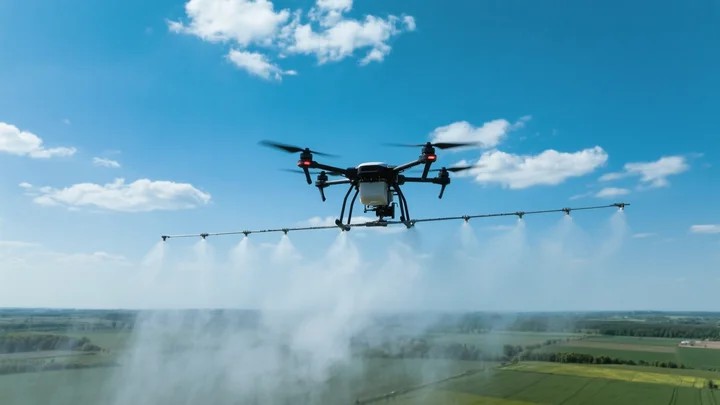
用以防治果树红蜘蛛、梨木虱、十字花科蔬菜小菜蛾、蚜虫、玉米螟,桃小食心虫,大田螨类等害虫。
拓展好文:阿维菌素4种剂型中壬基酚聚氧乙烯醚与壬基酚的含量及其从外包装中的迁移
Abstract:
The detection of nonylphenol ethoxylates (NPEOs) and 4-n-nonylphenol (NP) in abamectin pesticide formulations was conduct** using high performance liquid chromatography-fluorescence method, and distribution characteristics of NPEOs and NP in 4 formulations: emulsifiable concentrate (EC), microemulsion (ME), emulsion in water (EW), suspension concentrate (SC) were **yz**. Solution migrations of NPEOs and NP from packing material (plastic) were detect** by soaking the samples with methanol as an oil-bas** **og, and the sources of NPEOs and NP in pesticide formulations were **yz**. Results show** that the detection rate of NPEOs, NP, and both in the 4 formulations was 60.47%, 62.79%, 51.16%, respectively. The detection of NPEOs and NP in complexation agent was higher than that in a single agent. The mean and m**ian value of NPEOs and NP in 4 formulations from high to low both were EC > EW > ME > SC. Among them, EC contain** 6.83% of NPEOs and 8.41% of NP, both were the highest in the test** samples. Component of NPEOs was more than that of NP in EC, while both were us** equally in EW. 2 h migrations of NPEOs and NP were 0.16-49.34 and 0.19-18.05 μg/cm2, respectively, while the values after 30 days were 0.76-66.48 and 2.84-137.79 μg/cm2, respectively. At the beginning of the experiment, migration of NPEOs was more stable than NP, but migration of the both were close at 15 d, which rang** from 46.64%-100.82% and 46.89%-102.03% of 30 d migrations. The highest contribution of NP from packing plastic was 2.568%, while it was 0.241% for NPEOs. 30 d contribution of NP was 1.66-107.51 times to that of NPEOs, and the contribution of NP from plastic bags was higher than that from plastic bottles. The results demonstrat** that NP was us** more often than NPEOs in the packing of pesticide, but additives during production was the main source of NPEOs and NP in pesticide.


热门作者: 农业播报侠 种子小百科 农产新干线 农情领航灯 绿色农业防治通 种植乐趣圈